Kupuj víc, plať míň
Ice Extraction Bag Kit — Make Solventless Hash at Home
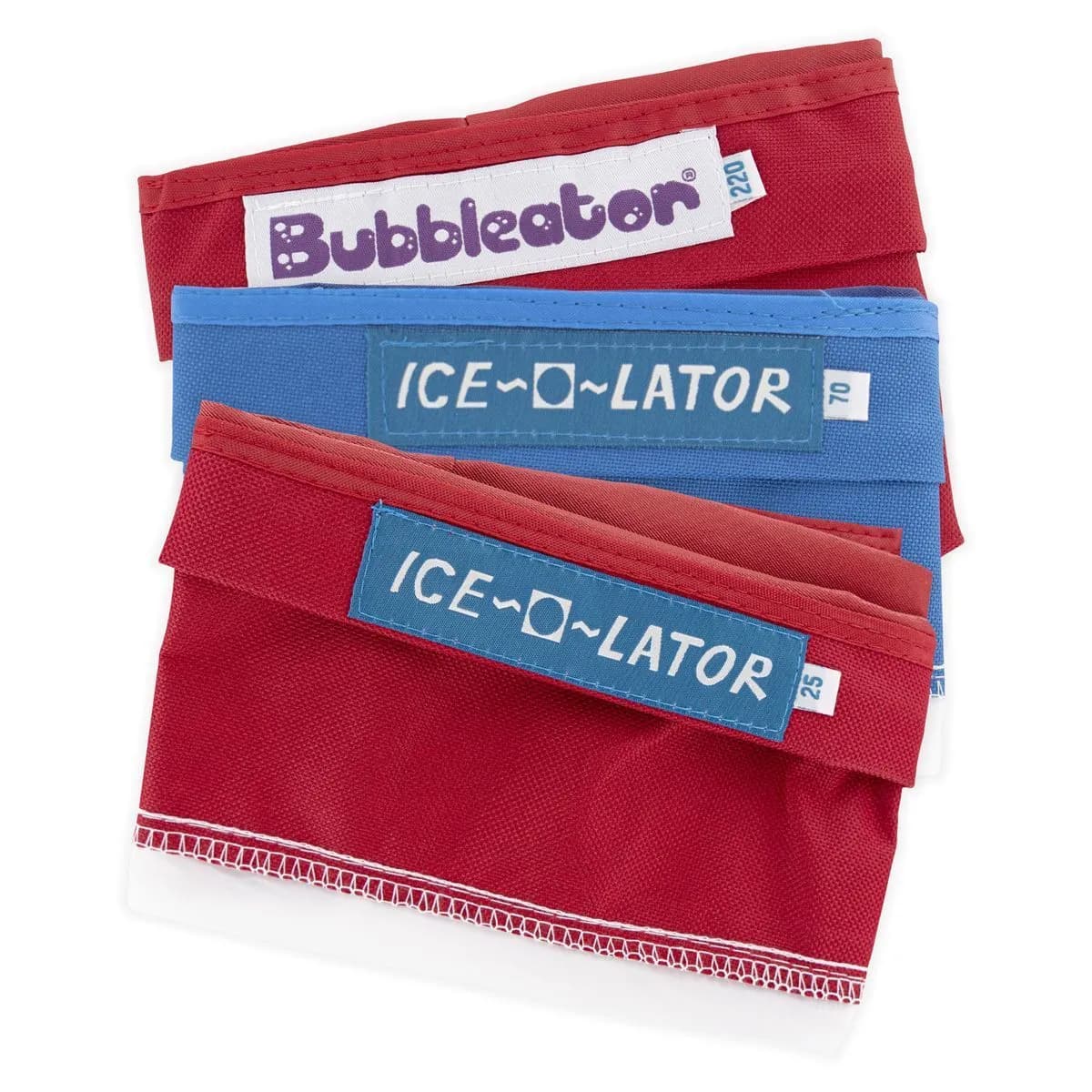
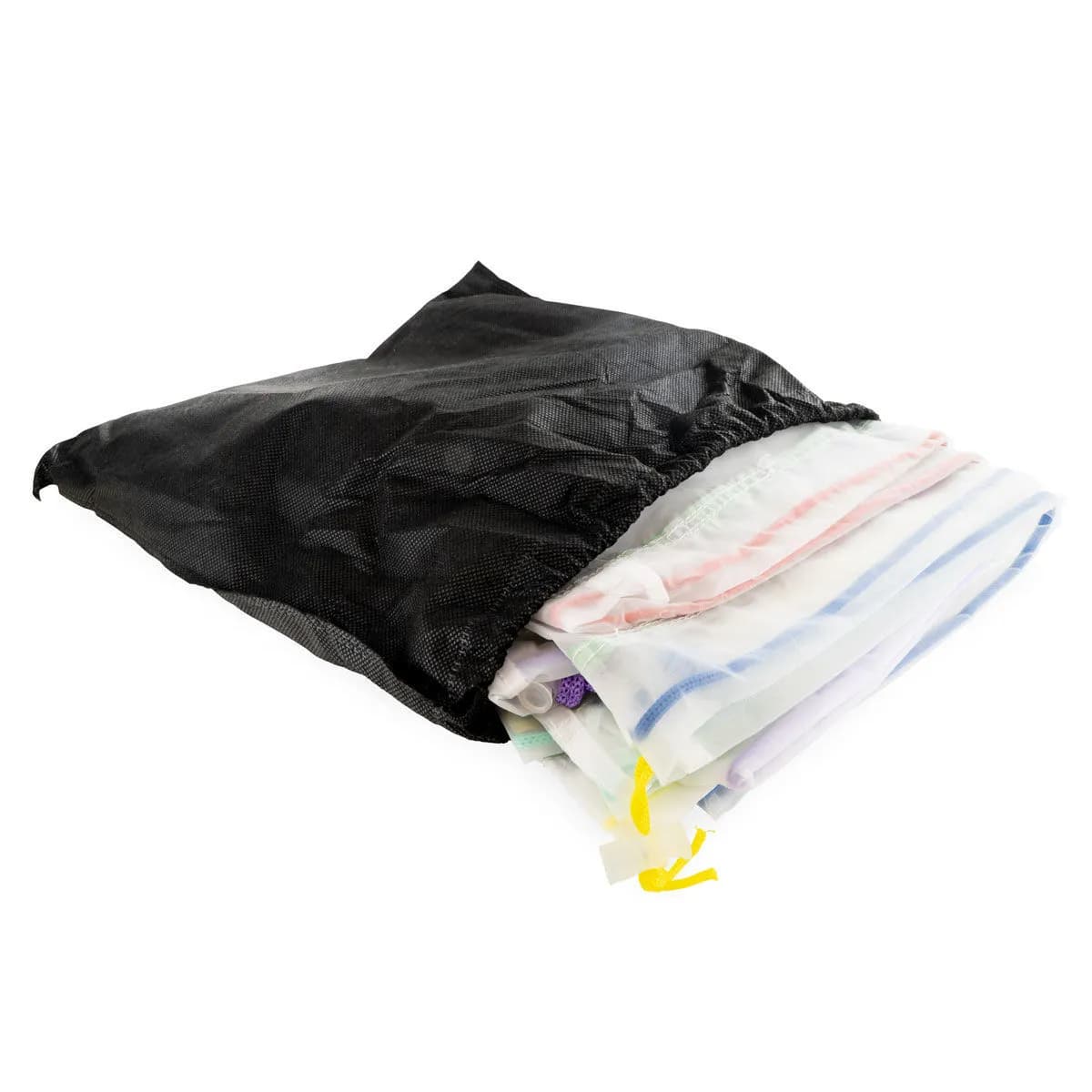
The Ice Extraction Bag Kit by Pure Factory is a five-bag filtration set that lets you turn leftover trim and flower into proper solventless hash using nothing but ice water. Ranging from 220 microns down to 38 microns, the bags catch every grade of trichome — from the coarse plant matter right down to the finest resin heads. If you've got a bucket, some ice, and a bit of patience, you've got a hash lab.
What's in the Ice Extraction Bag Kit
Pure Factory's kit gives you everything you need to start extracting — minus the buckets and the ice. Here's what you're working with:
| Spec | Value |
|---|---|
| Brand | Pure Factory |
| Number of bags | 5 |
| Micron range | 38, 73, 120, 160, 220 |
| Method | Ice water extraction (solventless) |
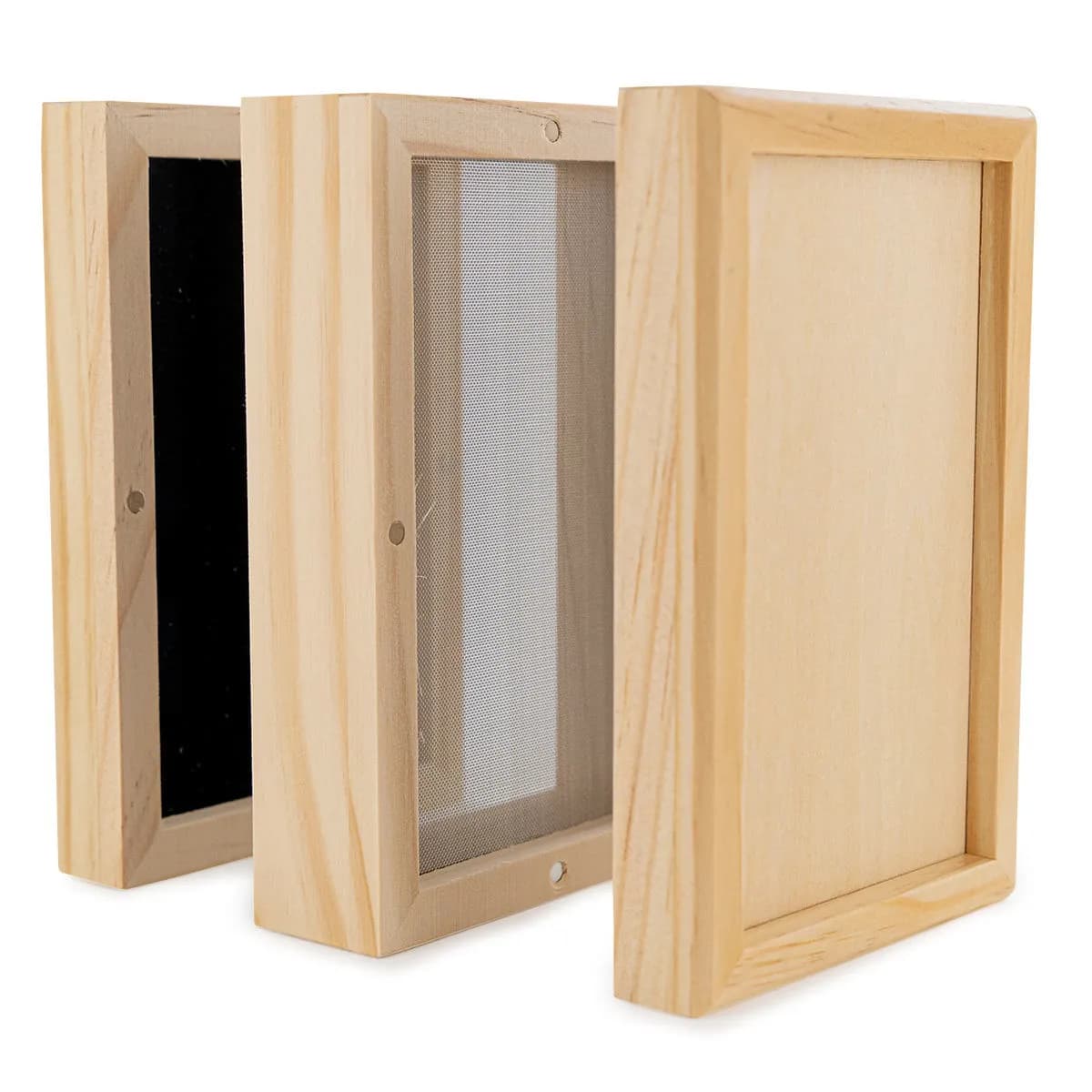
| Included accessories | Mesh pressing/drying tray |
| SKU | HS1358 |
| Recommended water temperature | 2°C |
| Stirring time (initial) | 10 minutes |
| Stirring time (filtration) | 10–20 minutes |
Five bags covers the full spectrum of trichome sizes. The 220-micron bag catches the bulk plant material. The mid-range bags (160, 120, 73 microns) capture progressively finer grades. And the 38-micron bag at the bottom catches the smallest, most resin-dense trichome heads — that's typically your top-shelf hash. The included mesh tray is for pressing excess water out of your collected resin before drying.
Why Ice Water Extraction Beats Alternatives
Ice water extraction — sometimes called bubble hash — is the cleanest way to separate trichomes from plant material without touching a single solvent. No butane, no ethanol, no CO2 tanks. Just cold water and agitation. The ice makes the trichome stalks brittle so they snap off cleanly when you stir, and the cold water carries them down through the progressively finer mesh bags.
We've sold extraction gear since the early days of the shop, and the question we get most often is: "Can I really make decent hash at home?" Short answer — yes, and it's simpler than most people expect. The quality of your starting material matters more than your technique. If you're working with trichome-heavy flower or well-kept trim, you'll get results that genuinely rival coffeeshop-grade hash on your first attempt. If you're using stems and fan leaves, don't expect miracles — you can't extract what isn't there.
Compared to dry sift screens, ice water extraction tends to produce a cleaner end product because the water washes away more of the residual plant matter. Compared to rosin pressing, it doesn't require a heated press, and it preserves a broader terpene profile since you're working at near-freezing temperatures the entire time. The trade-off is drying time — bubble hash needs 5–7 days to dry properly, whereas rosin is ready almost immediately.
Complete your extraction setup with a few extras. A Precision Digital Scale helps you weigh your yield accurately — critical when you're working with small quantities. And if you're growing your own starting material, check out our grow tent kits and harvest supplies to make sure you're working with the best possible input.
How to Make Ice Water Hash with the Extraction Bag Kit
The full process takes about an hour of active work, plus 5–7 days of drying. Here's the step-by-step:
- Fill a clean bucket with distilled water and add plenty of ice. You want the water at approximately 2°C — properly cold, not just chilly. Use a thermometer if you have one. The colder the water, the more brittle the trichome stalks become, and the cleaner they snap off.
- Add your cannabis — flower, trim, or a mix — to the ice water. Stir steadily for 10 minutes. You're not being gentle here; the agitation is what knocks the trichomes loose. A large wooden spoon or a paint mixer attachment on a drill both work well.
- While your material soaks, set up the extraction bags in a second clean bucket. Place the 38-micron bag in first (smallest mesh at the bottom), then layer upwards: 73, 120, 160, and finally 220 microns on top.
- Pour the entire contents of the first bucket — water, ice, and cannabis — into the bucket with the bags. Stir gently for another 10–20 minutes. This second, slower stir lets the trichomes settle through the mesh layers.
- Lift out the top bag (220 microns). This one holds the bulk plant material. Wring it out over the bucket to recover any remaining water and trichomes, then set it aside.
- One by one, remove each bag. You'll see progressively finer, lighter-coloured hash collecting on the mesh. For each bag, carefully scoop the collected resin out with a spoon and place it on the included mesh drying tray. Press gently to squeeze out excess water.
- Transfer your hash onto a piece of clean, unbleached cardboard. Store it in a cool, dark, dry spot. Mix and crumble it every 12–24 hours to help moisture escape evenly. This drying stage typically takes 5–7 days — rushing it leads to mouldy hash, which is the single most common mistake we see.
- Once the hash is nearly dry and crumbly, pass it through a fine kitchen sieve to break up any clumps and achieve a consistent texture.
- Your hash is now ready to smoke as-is, or you can press it into a solid block using hand pressure and gentle warmth. Wrapping it tightly in cling film and pressing it between your palms for a few minutes works surprisingly well.
Tips from 25 Years
We've been stocking extraction gear since the early 2000s, and a few patterns come up again and again:
Freeze your material first. Sticking your trim in the freezer for 24 hours before extraction makes a noticeable difference. The trichomes are already brittle before they hit the ice water, so they separate more completely. Fresh, room-temperature material gives a muddier result with more plant contamination.
Use distilled water. Tap water contains minerals that can affect the taste and colour of your final product. A 5-litre jug of distilled water costs next to nothing and makes a real difference in the finished hash.
Don't over-stir. More agitation doesn't mean more hash — it means more chlorophyll and plant matter getting forced through the mesh. The 10-minute initial stir and 10–20 minute secondary stir are the sweet spot. If your hash comes out green rather than golden or sandy, you've been too aggressive.
The 73-micron bag is usually the star. Most experienced hash makers consider the 73-micron collection to be the best balance of purity and yield. The 38-micron is purer but produces very little. The 120-micron produces more but includes slightly more plant matter. Grade them separately and you'll quickly learn which you prefer.
Ice Water Extraction vs Dry Sift: Quick Comparison
| Factor | Ice Water Extraction | Dry Sift |
|---|---|---|
| Solvent used | None (ice water only) | None |
| Equipment needed | Extraction bags, 2 buckets, ice | Sift screens, collection surface |
| Purity of output | High — water washes away plant matter | Moderate — some plant contamination |
| Drying time | 5–7 days | Ready immediately |
| Terpene preservation | Excellent (cold process) | Good |
| Yield from same material | Moderate | Slightly higher |
| Difficulty | Easy — follow the steps | Easy — less cleanup |
Both methods produce solventless hash. Ice water extraction gives you a purer product with better terpene retention; dry sifting is faster with less mess. If you're serious about hash quality, ice water wins. If you want something quick and simple for personal use, dry sift screens are worth a look too — we carry those separately.
Frequently Asked Questions
What is ice water extraction?
Ice water extraction is a solventless method of separating trichomes from cannabis using near-freezing water and agitation. The cold makes trichome stalks brittle, so they snap off when stirred. The loose trichomes then filter through progressively finer mesh bags, producing different grades of hash. No chemicals involved — just water, ice, and mechanical separation.
How much hash will I get from the Ice Extraction Bag Kit?
Yield depends entirely on your starting material. Trichome-rich flower typically returns 10–15% of its dry weight as hash. Trim and sugar leaves return less — usually 3–8%. From 100 grams of decent trim, expect roughly 3–8 grams of usable hash spread across the 5 bags.
Which micron bag produces the best hash?
The 73-micron bag is generally considered the sweet spot — it captures the most resin-dense trichome heads with minimal plant contamination. The 38-micron bag produces the purest hash but in very small quantities. Most people blend the 73 and 120-micron collections for a good balance of quality and yield.
How do I clean the extraction bags after use?
Rinse each bag with cold water immediately after use, gently rubbing the mesh to remove stuck trichomes. Never use hot water — it melts resin into the fabric and clogs the mesh permanently. Hang them to air dry completely before storing. A soft toothbrush helps clear stubborn residue from the finer bags.
Can I reuse the extraction bags multiple times?
Yes. With proper care — cold rinses after each run, gentle handling, and full drying before storage — the bags last through dozens of extractions. The mesh on the finer bags (38 and 73 microns) is more delicate, so avoid wringing them too aggressively. Replace any bag where the mesh starts to stretch or develop holes.
How long does bubble hash take to dry?
Plan for 5–7 days in a cool, dark, dry spot. Spread the hash thinly on clean cardboard and crumble it every 12–24 hours to expose moisture trapped inside. Rushing the drying process — or storing it in a humid environment — risks mould, which ruins the entire batch.
Do I need distilled water or can I use tap water?
Distilled water gives a cleaner-tasting final product. Tap water contains chlorine and minerals that can affect flavour and colour. It's not a dealbreaker if you use tap water, but for the small cost of a few litres of distilled, it's a worthwhile upgrade.
Last updated: April 2026